The work
Service 09
Walnut Blasting
BMW & MINI
Intake valve and port cleaning with walnut blasting in Ampelokipoi, Thessaloniki. For BMW and MINI petrol engines and assessment of BMW diesel intake deposits.
Service at a glance
MethodWalnut blasting
Cleaning areaIntake valves & ports
SuitabilityEngine specific assessment
Cost & timeAfter assessment
ELITE MOTORWORKS / BMW & MINI
Deposits in the intake.
Targeted cleaning.
Walnut blasting removes deposits from intake valves and ports using crushed walnut shell media. We first inspect the engine and confirm which areas and cleaning method are appropriate.
On direct-injection petrol engines, fuel is injected into the cylinder and does not wash the backs of the intake valves. Oil vapour and deposits can accumulate there over time.
On diesel engines, soot from exhaust gas recirculation (EGR) can combine with oil vapour in the intake. Repeated short city trips can aggravate deposit formation. Heavy deposits can restrict airflow and contribute to reduced engine performance.
ENGINES / MODELS / MILEAGE
Petrol and diesel.
Check the exact engine.
We assess petrol engines N13, N14 (MINI), N43, N20, N54 and N55, and diesel engines N47, N57, B37, B47 and B57. The required cleaning method and access are confirmed for the specific engine.
| Engine | Example models | Mileage |
|---|---|---|
N13Petrol / BMW | 116i F20 versions with N13 | Based on findingsNo common fixed interval |
N14Petrol / MINI | Cooper S R55 / R56 / R57 / R58 / R59 versions with N14 | Based on findingsConfirm the engine and intake condition |
N43Petrol / BMW | 318i / 320i E90 versions with N43 | Based on findingsAssess deposits and access |
N20Petrol / BMW | 328i F30 / 528i F10 versions with N20 | Based on findingsConfirm the need for cleaning |
N54Petrol / BMW | 135i, 335i / 335is, 535i, 1M Z4 sDrive35i / sDrive35is | 65,000–80,000 kmIndicative intake assessment |
N55Petrol / BMW | 335i F30 M235i Coupé F22 | 65,000–80,000 kmAssessment based on deposits |
N47Diesel / BMW | 318d / 320d E90 versions with N47 | Based on findingsIntake, EGR and driving pattern |
N57Diesel / BMW | 530d F10 versions with N57 | Based on findingsIntake and deposit assessment |
B37Diesel / BMW | 116d F20 / F21 LCI versions with B37 | Based on findingsConsider frequent short city trips |
B47Diesel / BMW | 118d / 120d F21 LCI versions with B47 | Based on findingsIntake and EGR condition |
B57Diesel / BMW | 530d G30 versions with B57 | Based on findingsDiagnose the cause of reduced performance |
There is no single cleaning interval. The 65,000–80,000 km guide applies only to an intake assessment for N54/N55, based on an independent specialist recommendation. It is not a mandatory BMW interval. For the other engines, the decision follows inspection findings, symptoms, use and history. Short city trips or symptoms can justify earlier assessment.
When assessment makes sense
- Rough idle, hesitation, misfires or loss of performance. We diagnose the cause first because other faults can produce similar symptoms.
- Frequent short city trips, especially on diesel engines, together with a history of intake or EGR deposits.
- Unknown cleaning history or visible deposits. Model, production year and VIN help us confirm the engine.
Sources for the technical guidance
The N54/N55 range is a rounded conversion of the 40,000–50,000 mile recommendation from VAC Motorsports. BMW SI B12 02 12 and MINI SI M12 02 10 cover diagnosis and intake deposits on N54 and N14 respectively. BMW SI B11 03 14 documents intake cleaning on the M57Y diesel; it does not prescribe an interval or the same procedure for all the diesel engines listed here. Motorservice technical material discusses restricted EGR flow, deposits and reduced performance.
ELITE MOTORWORKS / REAL WORKSHOP PHOTOS
Intake cleaning.
Before and after.
Two views of the intake before and after cleaning. The photos show the change in visible deposits on the intake surfaces.
View 1
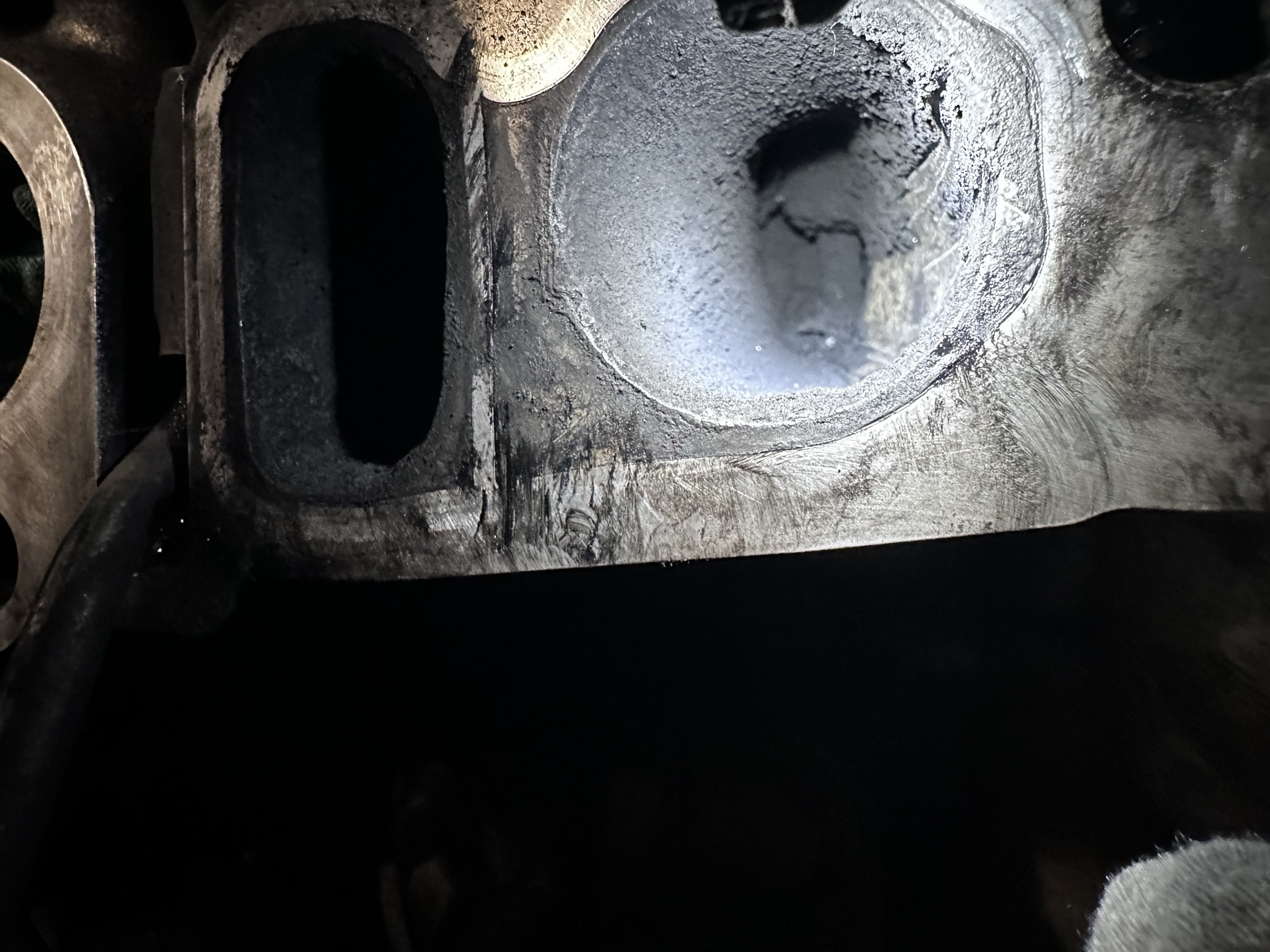
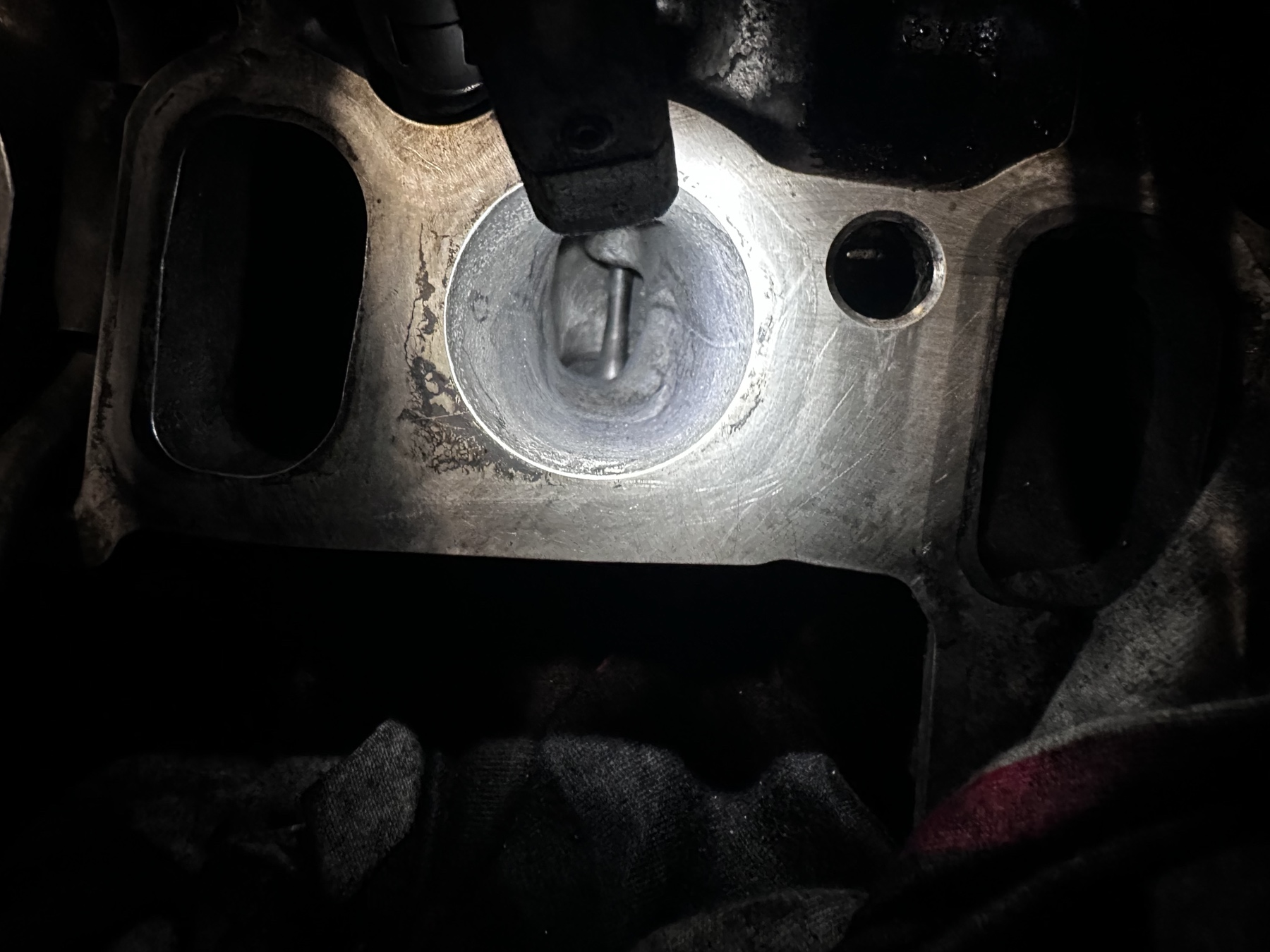
View 2
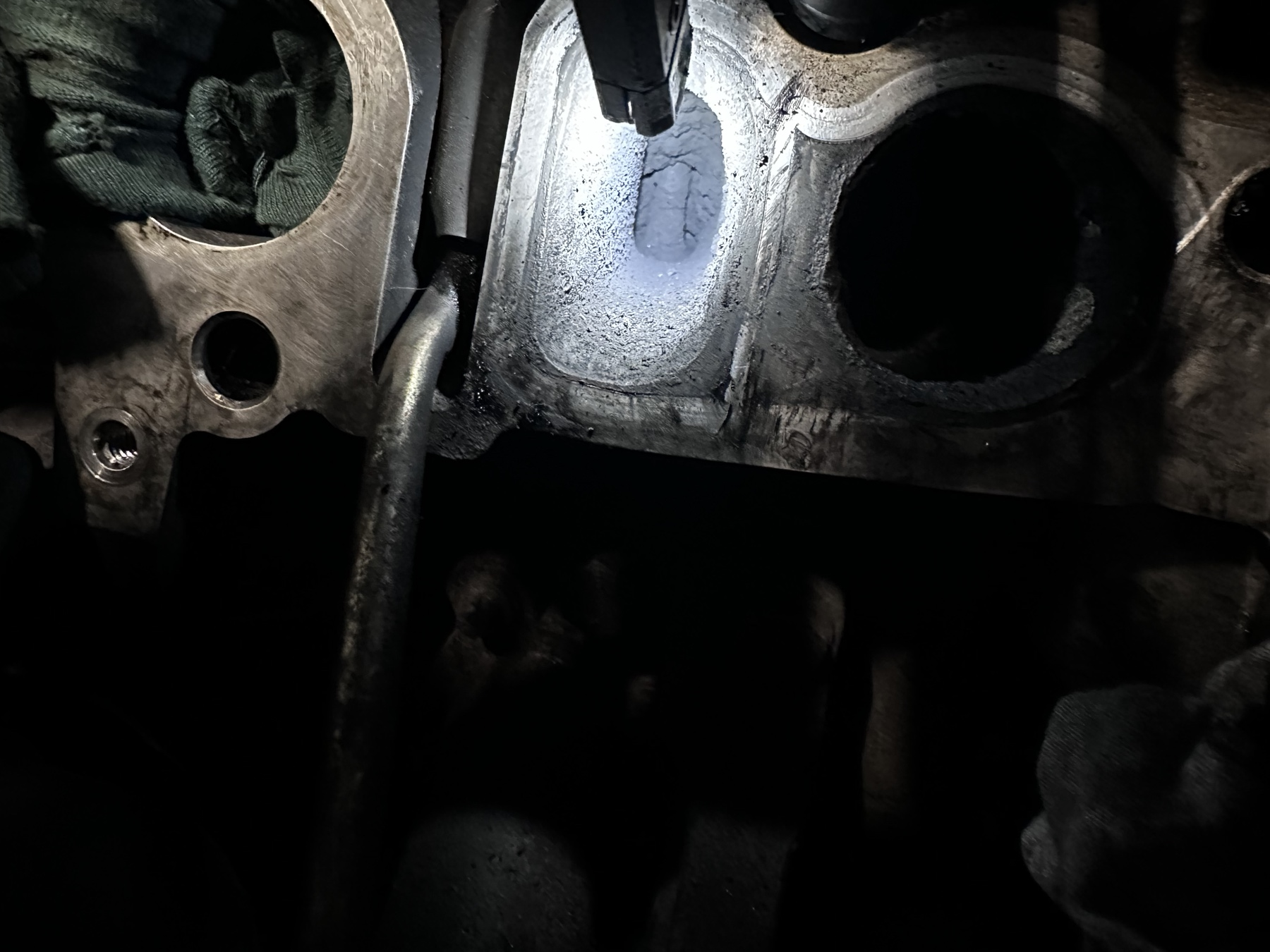
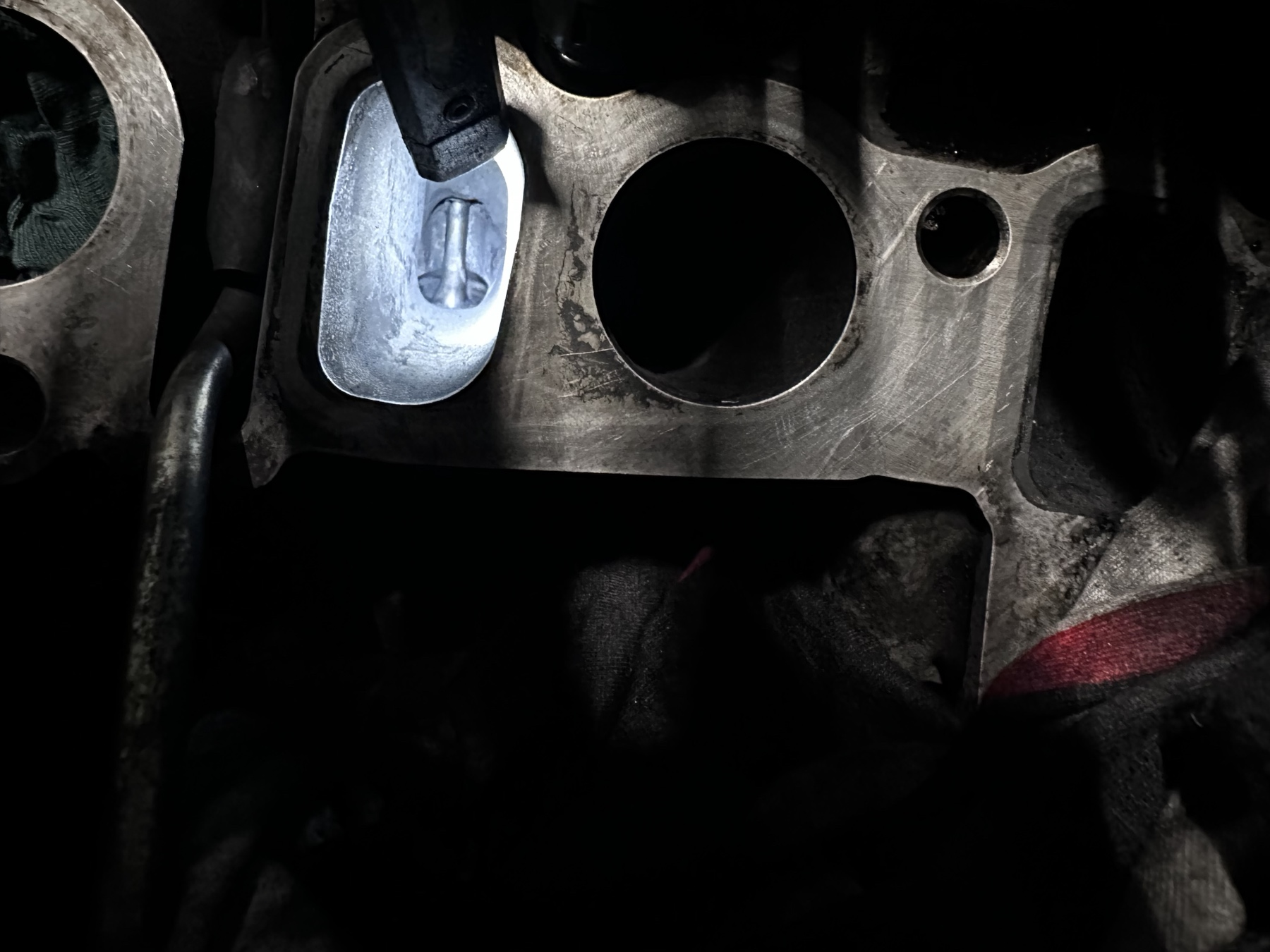
Photos from work supplied by Elite Motorworks. The result shown does not establish a measured power gain; performance depends on the condition of the complete engine.
- Diagnosis and assessment. We confirm the engine, the symptoms, deposits and suitability of the cleaning method.
- Preparation and access. We remove the necessary components and prepare the intake, with the valves being cleaned closed and appropriate extraction and protection.
- Targeted cleaning. We remove deposits from the accessible intake ports and valves. The manifold or EGR system may require separate work according to its condition and the engine procedure.
- Assembly and checks. We complete assembly and operating checks, and explain the findings and any causes of repeat deposit formation.
FAQ / BMW & MINI
Frequently asked questions
Which engines do you assess for intake cleaning?
Petrol N13, N14 (MINI), N43, N20, N54 and N55, and diesel N47, N57, B37, B47 and B57. Example models are listed in the table. We confirm the exact engine and the appropriate cleaning procedure before recommending work.
At what mileage should walnut blasting be considered?
For N54/N55, an intake assessment can be discussed around 65,000–80,000 km based on an independent specialist recommendation. This is not a mandatory BMW interval or an automatic need for cleaning. For the other engines, there is no common interval given here: findings, symptoms, use and history guide the decision.
Why can city driving worsen diesel intake deposits?
Soot from EGR and oil vapour can accumulate in the intake. Repeated short city trips can aggravate deposits; heavy deposits can restrict airflow and reduce performance. We check the intake and related systems rather than assume deposits are the only cause.
Do fuel and oil quality affect deposits?
Poor fuel quality or combustion problems, unsuitable or degraded oil, overdue maintenance and excessive oil carry-over can worsen deposit problems. On direct-injection petrol engines, fuel does not wash the backs of intake valves, so a tank additive is not equivalent to cleaning the intake ports and valves.
Does cleaning guarantee more power?
Cleaning can help when deposits are contributing to poor operation, but it does not guarantee a particular power gain. We diagnose other possible causes and assess the engine before recommending cleaning.
What do you need for an appointment or quote?
Send the model, year, mileage, engine code or vehicle details, symptoms, driving pattern and any previous intake cleaning. Cost and time depend on access and the required work.
EXPLORE MORE